Muslims in Ethiopia Make History: First Free Islamic Elections
with 13 Million Voters
In an
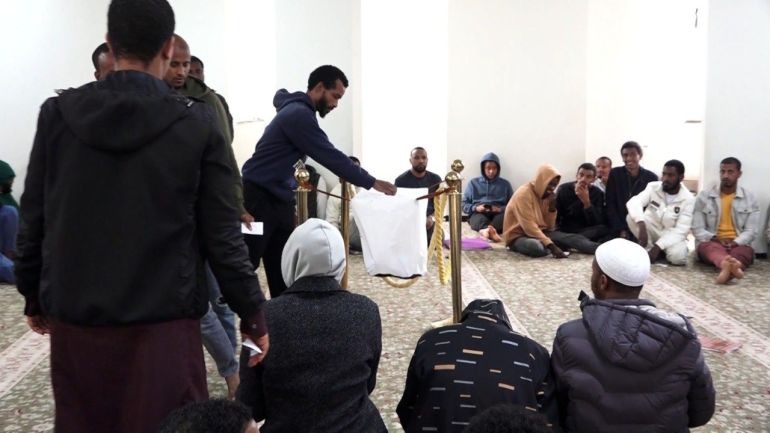
unprecedented event, Ethiopia witnessed the first elections for the Supreme
Council of Islamic Affairs, with the participation of more than 13 million
voters across more than 49,000 mosques that were transformed into polling
stations—marking a milestone in the country’s and its Muslims’ history.
Unprecedented Participation and Fair Representation
The
elections lasted three days and covered all regions of Ethiopia, resulting in
the selection of 19 senior scholars and leaders, in addition to 120 members
representing various areas.
Around
65% of seats were allocated to scholars and Islamic leaders, while 35% were
reserved for youth and women—considered a clear sign of diversity and balanced
representation within the Muslim community.
A Historic Day for Muslims
Sheikh
Ibrahim Tufa, President of the Supreme Council, described the event as “a
long-awaited historic moment,” affirming that Muslims had “moved from
marginalization to genuine representation for the first time in their history,”
after decades of lacking official support and living under the dominance of the
Church in public life.
Political and Social Dimensions
The
elections were not merely a democratic exercise but carried profound
implications for consolidating the values of consultation and participation.
Observers
noted that choosing mosques as polling centers carried significant symbolism,
linking the mosque’s historic role in building Islamic societies with its
modern role in strengthening democracy.
Solidarity with Gaza and a Message to the World
In an
emotional sermon in Addis Ababa, Sheikh Kamil Shamsu expressed the solidarity
of Ethiopian Muslims with the Palestinian people, stressing the need to support
journalists exposing what is happening in Gaza, where “innocent people are
dying of hunger before the eyes of the world.”
Official Recognition and a Promising Future
The
elections came after the Ethiopian government officially recognized the Supreme
Council as an independent body, as part of reforms launched by Prime Minister
Abiy Ahmed since 2018. These reforms included the establishment of Islamic
banks, participation in state institutions, and the founding of an Islamic
university in Ethiopia’s Somali region, welcoming students from both inside and
outside the country.
With the
success of this experience, Muslims in Ethiopia are now stepping into a new
phase of effective representation and political participation in a country of
more than 120 million people, of whom Muslims constitute more than half.
(Source:
Al Jazeera)
ـــــــــــــــــــــــــــــــــــــــــــــــــ
* للاطلاع
على الترجمة الكاملة للخبر باللغة العربية، اضغط (هنا).